Minimal Floral Woman Line Art Design Review
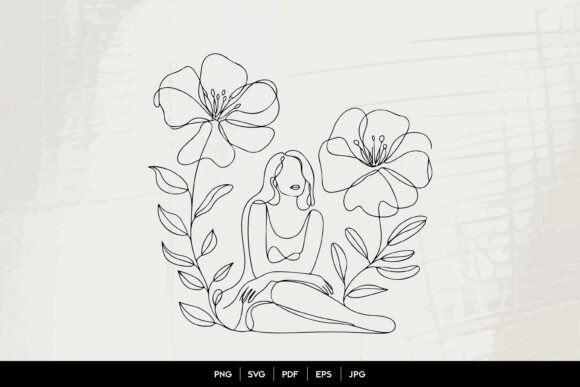
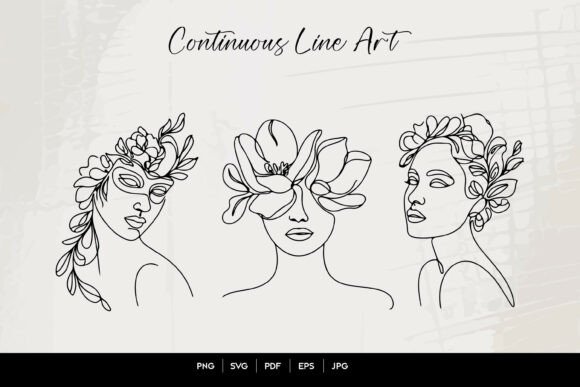
When I sit down to evaluate a new embroidery file, I am rarely looking for complexity. In fact, in the world of modern handmade goods and boutique branding, simplicity is often the hardest thing to execute well. I recently pulled up the Minimal Floral Woman Line Art Design to see if it had the staying power for real-world application. As a designer who has stitched thousands of hours into various fabrics, I look at digital assets not just as images, but as instructions for thread and needle. This piece, categorized under Illustrations and Graphics, presents itself as a clean, continuous line drawing that merges botanical elements with human form. But does it translate from screen to fabric without losing its soul? Let’s break down how this design performs in actual production scenarios.
First Impressions and Visual Personality
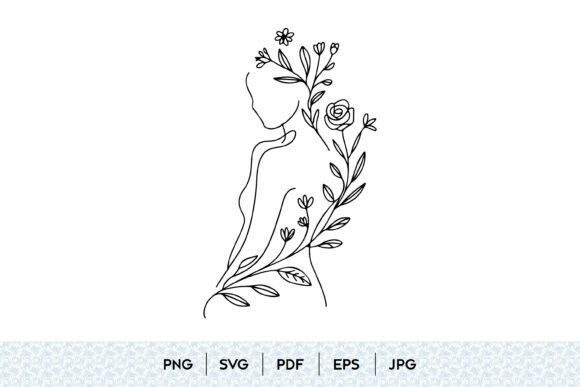
The immediate appeal of the Minimal Floral Woman Line Art Design lies in its restraint. It avoids the cluttered aesthetic that plagues many mass-produced embroidery files. The concept—a woman’s face or profile integrated seamlessly with floral motifs—suggests a flowing, organic movement. From a visual standpoint, it feels airy, feminine, and contemporary. It creates a mood that is both serene and stylish, which is exactly what resonates with today’s consumer base on platforms like Etsy or in local craft boutiques.
What stands out is the "one line" quality mentioned in the product description. In theory, a continuous line drawing implies elegance and fluidity. However, in embroidery, lines are constructed through stitches. If the vector paths are too thin or the curves too abrupt, the machine may struggle to maintain tension, resulting in puckering or broken threads. My initial assessment is that this design relies heavily on proper digitizing. If the underlying code translates those delicate lines into appropriate stitch types, the result will be sophisticated. If not, it risks looking sparse or unfinished. The abstract nature of the illustration allows for versatility; it can read as a portrait, a silhouette, or purely decorative art depending on the scale and placement.
Real-World Application: Where This Design Shines
I have been thinking about where this machine embroidery design would fit best in a commercial workflow. The clean lines and minimalist theme make it an exceptional candidate for custom apparel. Specifically, I envision this working beautifully on high-quality cotton tote bags. A single, centered placement of the floral woman on a canvas bag offers a professional, gallery-like finish that elevates a basic accessory into a statement piece. It appeals to the customer who wants something subtle rather than loud.
Beyond accessories, this design has strong potential for baby items and nursery decor. The soft, non-aggressive imagery fits perfectly within the current trend for gender-neutral or softly themed baby gifts. Imagine this embroidered on a muslin blanket or the cuff of a baby onesie. The lack of heavy fill stitches means the fabric remains soft and breathable, which is a critical factor for baby embroidery products. Parents are increasingly conscious of comfort, and a design that doesn’t create a stiff, scratchy patch is a significant selling point.
For the Etsy seller or small business owner, this asset also serves as a versatile foundation for personalized gifts. While the core image is fixed, the minimalist style leaves room for complementary text. Adding a simple name or date in a clean font near the bottom of the design could transform it into a memorable wedding favor or a bridal shower gift. The Minimal Floral Woman Line Art Design acts as a perfect anchor—it draws the eye without overwhelming additional personalization.
Technical Considerations and Stitch Behavior
Transitioning from concept to execution requires careful attention to detail. When evaluating this for an embroidery project, one must consider the stitch types involved. A design described as "line art" typically utilizes running stitches or fine satin stitches. Running stitches are excellent for maintaining the lightness of the original illustration, but they require stable fabric to prevent shifting. Satin stitches provide more coverage and durability but can thicken the line, potentially obscuring the delicate details of the floral integration.
Stitch density is another crucial factor. Because this is a minimal design, the overall stitch count should be relatively low. This is advantageous for production speed, allowing you to fulfill orders faster. However, low density can sometimes lead to visibility issues on textured fabrics. If you plan to use this on a waffle-knit towel or a heavy denim jacket, the thin lines might get lost in the weave. In such cases, selecting contrasting thread colors becomes paramount. A stark white thread on black fabric, or a deep navy on cream, will ensure the design retains its clarity and impact.
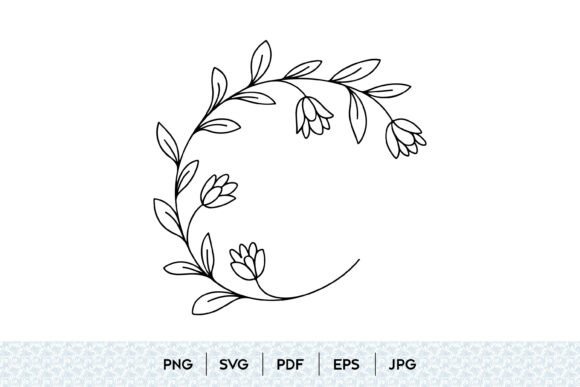
It is also worth noting the file formats provided: SVG, PNG, EPS, JPG, and PDF. These are primarily vector and raster graphics, not native embroidery formats (like .PES or .DST). This means you will need to convert these files using digitizing software or a conversion service before stitching. During this process, pay close attention to the stabilizer choice. For delicate line work, a cut-away stabilizer is often safer than a tear-away, especially if the final product will undergo frequent washing. The stability of the backing directly affects the precision of the lines.
Potential Pitfalls and Careful Usage
While the design is versatile, it is not without its challenges. There are specific contexts where this embroidery project might fail to deliver the desired aesthetic. Avoid placing this design on highly textured surfaces like chunky knits or fleece unless you are prepared for the lines to appear jagged or distorted. Similarly, stretchy fabrics such as spandex blends or thin jersey materials can cause the fine lines to warp during stitching, leading to misalignment between the woman’s features and the floral elements.
Small hoop sizes present another constraint. While the design likely scales well, attempting to stitch the full composition in a very small hoop may force the details to become so compressed that they merge into a blurry shape. Conversely, placing it on a large surface area without adequate scaling can make the design look insignificant. Find the balance. Test the design on scrap fabric first to determine the optimal size relative to your hoop capabilities.
Furthermore, be mindful of the finished product’s end-use. Items that require frequent, heavy-duty washing, such as work aprons or gym towels, may show wear on fine line details sooner than denser designs. For commercial embroidery intended for high-wear items, consider reinforcing the lines with slightly thicker stitches or adding subtle fill areas to enhance durability.
Final Verdict for Creative Entrepreneurs
The Minimal Floral Woman Line Art Design is a strong addition to any design assets library, particularly for those focused on lifestyle, wellness, or boutique fashion brands. Its strength lies in its adaptability and its ability to convey sophistication without demanding excessive production time. It works exceptionally well for tote bag design, sweatshirt embroidery accents, and holiday embroidery gifts where understated elegance is preferred.
For the craft business owner, this design offers a high perceived value with relatively low material cost. It encourages creativity in pairing and styling, allowing you to build a cohesive collection around a single, strong visual motif. Just remember to verify the licensing terms before selling finished items or digital products. Ensure you understand whether you are purchasing a personal use license or rights for commercial merchandise. With proper preparation, including testing on your target fabric and selecting the right thread colors, this design can help you create a handmade product that feels polished, professional, and deeply appealing to your customers.