Floral Bun Hairstyle Line Art Graphics and Illustrations Review
As a brand designer who spends half my day tweaking kerning and the other half analyzing audience retention, I approach every new graphic design asset with a mix of skepticism and curiosity. In today’s saturated digital landscape, visual consistency is not just an aesthetic choice; it is a business imperative. When evaluating assets for marketing campaigns, I look beyond simple attractiveness. I ask: Does this design support our brand identity? Does it elevate the perceived value of the product? And does it integrate seamlessly into a broader content marketing strategy?
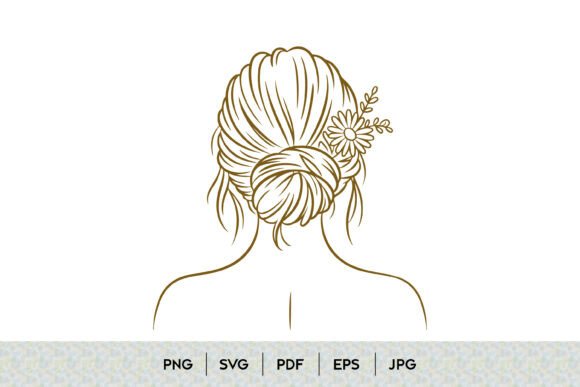
Recently, I reviewed the Floral Bun Hairstyle Line Art collection. At first glance, it appears to be a standard set of beauty-focused illustrations. However, upon deeper inspection, it reveals itself as a versatile tool for small business branding, editorial design, and premium lifestyle marketing. This review breaks down how this specific illustration pack can transform your visual hierarchy, enhance audience trust, and streamline your workflow across multiple platforms.
First Impressions: Mood, Tone, and Emotional Resonance
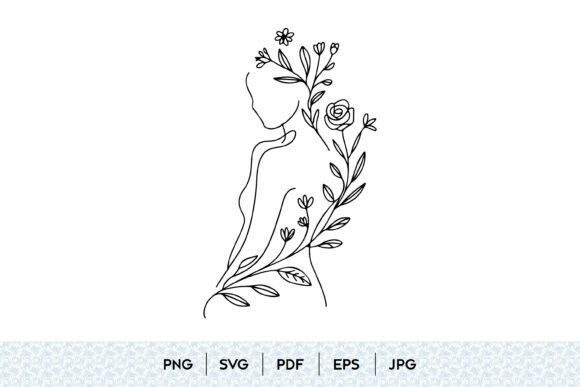
The immediate impact of the Floral Bun Hairstyle Line Art is one of refined elegance. The line work is clean, confident, and devoid of unnecessary clutter. For brands operating in the beauty, wellness, or fashion sectors, this translates to an instant signal of sophistication. Unlike heavy, detailed clipart that can feel dated or overwhelming, these minimalist strokes allow the viewer’s eye to rest on the core message while still absorbing the decorative beauty of the floral elements.
This aesthetic creates a mood of femininity and grace without being overly sentimental. It strikes a balance between casual charm and professional polish. When I imagine using this in a real campaign—perhaps for a boutique skincare launch or a high-end salon promotion—the asset immediately elevates the tone. It suggests that the brand behind it values detail, quality, and timeless style. This emotional connection is crucial for content marketing, where you are trying to build a relationship with your audience before they even read your copy.
Real-World Application: A Seasonal Campaign Scenario
To understand the practical value of this asset, let’s frame it within a realistic marketing project. Imagine you are launching a limited-edition summer collection for a handmade jewelry brand. Your goal is to refresh your social media visuals, create Pinterest pins, and design packaging inserts that feel cohesive and inviting.
In this scenario, the Floral Bun Hairstyle Line Art becomes a foundational element of your visual identity. You can use the back-view hairstyle illustration to represent your ideal customer archetype—a woman who is elegant, composed, and appreciative of natural beauty. By placing this graphic alongside product photography, you create a narrative bridge. The hair illustration acts as a subtle backdrop or accent, guiding the viewer’s attention toward the jewelry without competing for focus. This demonstrates how effective visual hierarchy works: the asset supports the product rather than distracting from it.
Furthermore, because the design is available in multiple formats, including SVG and PNG, you can scale it effortlessly. Use the large vector version for website headers and email banners, and the smaller raster versions for Instagram posts and Facebook ads. This flexibility ensures that your brand identity remains consistent whether a customer encounters your brand on a desktop computer or a mobile screen.
Strategic Marketing Applications
The versatility of this design bundle extends far beyond simple decoration. Here is how it can support specific marketing goals:
- Social Media Graphics: Use the line art as overlays on flat-lay photos or as standalone posts for quote graphics. The negative space in the design allows text to sit comfortably, improving readability and engagement.
- Packaging Design: Incorporate the illustration onto product labels, thank-you cards, or tissue paper. The commercial license allows for such uses, making it a cost-effective way to add a premium touch to unboxing experiences.
- Digital Products: If you sell digital planners, journals, or templates, this illustration can serve as a cover image or interior divider. It adds artistic flair to your digital product offerings, increasing their perceived value.
- Editorial and Blog Content: Break up long-form text with these elegant visuals. They act as decorative anchors that keep readers engaged and reinforce the thematic tone of articles related to self-care, beauty tips, or lifestyle trends.
By integrating these assets into your marketing visuals, you create a more memorable campaign. Consistent use of high-quality illustrations helps build recognition. Over time, customers will associate that specific style of line art with your brand, fostering stronger audience trust.
Where the Asset Shines vs. Where to Exercise Caution
While the Floral Bun Hairstyle Line Art is powerful, it is not a universal solution. Understanding its strengths and limitations is key to successful implementation.
Ideal Use Cases:
- Hero Graphics: Large-scale headers where the illustration can breathe and make a bold statement.
- Campaign Headers: Banners for seasonal sales or event promotions where a feminine, elegant theme is desired.
- Branded Templates: Backgrounds for Canva templates, ensuring that clients or followers have access to on-brand designs.
- Packaging Accents: Subtle details on boxes, bags, or tags that enhance the tactile experience of the product.
Areas for Careful Consideration:
- Formal Corporate Branding: If your brand operates in finance, law, or heavy industry, this illustration may feel too soft or decorative. It aligns better with lifestyle, beauty, and creative industries.
- Dense Information Layouts: Avoid placing the graphic in areas crowded with text. The delicate lines can get lost, reducing clarity.
- Small Mobile Graphics: While scalable, extremely small sizes may cause the fine details of the flowers and hair strands to blur. Always test at 100% zoom on mobile devices.
- Low-Contrast Backgrounds: Ensure there is sufficient contrast between the line art and the background color. Black or dark gray lines on white or light pastel backgrounds work best.
Practical Notes for Brand Designers
Before incorporating the Floral Bun Hairstyle Line Art into your final campaign, follow these professional checks:
Color Palette Integration: Test the black line art against your primary brand colors. While monochrome works well, consider if adding a subtle tint or gradient would enhance the floral elements without compromising the minimalist aesthetic.
Typography Pairing: Experiment with font combinations. Serif fonts complement the elegance of the illustration, creating a classic look. Sans serif fonts offer a modern contrast, while script fonts can amplify the feminine vibe. Handwritten fonts should be used sparingly to avoid clashing with the organic shapes of the hair and flowers.
Mockup Testing: Place the design inside real-world mockups. View it as a sticker, a web icon, or a print ad. This helps you assess spacing, balance, and overall impact. Check how it pairs with competitor visuals to ensure your brand stands out while remaining relevant.
Licensing Verification: Confirm that your commercial license covers your intended use, especially if you are producing merchandise or running paid ads. Clear licensing protects your business and allows you to market with confidence.
In conclusion, the Floral Bun Hairstyle Line Art is more than just a pretty picture. It is a strategic creative design asset that can elevate your professional branding. By understanding its mood, applications, and limitations, you can leverage it to create compelling, cohesive, and trustworthy marketing materials that resonate with your target audience.